

















Constitutional Framework for Succession of the Presidency
The 1987 Constitution of the Philippines establishes a clear line of succession to the presidency, ensuring continuity of government in a variety of contingencies. The sitting President cannot carry out the powers and duties of the office and the Vice President is explicitly designated as the primary successor. The constitution provides for such a scenario under certain conditions. They are: Death of the President, permanent disability, resignation and removal from office. In these cases, the Vice President assumes the full presidency for the balance of the unexpired term, not just as a temporary placeholder. The mechanism highlights the framers’ constitutional intention to protect stability in the executive branch.
Roads to a Presidential Transition
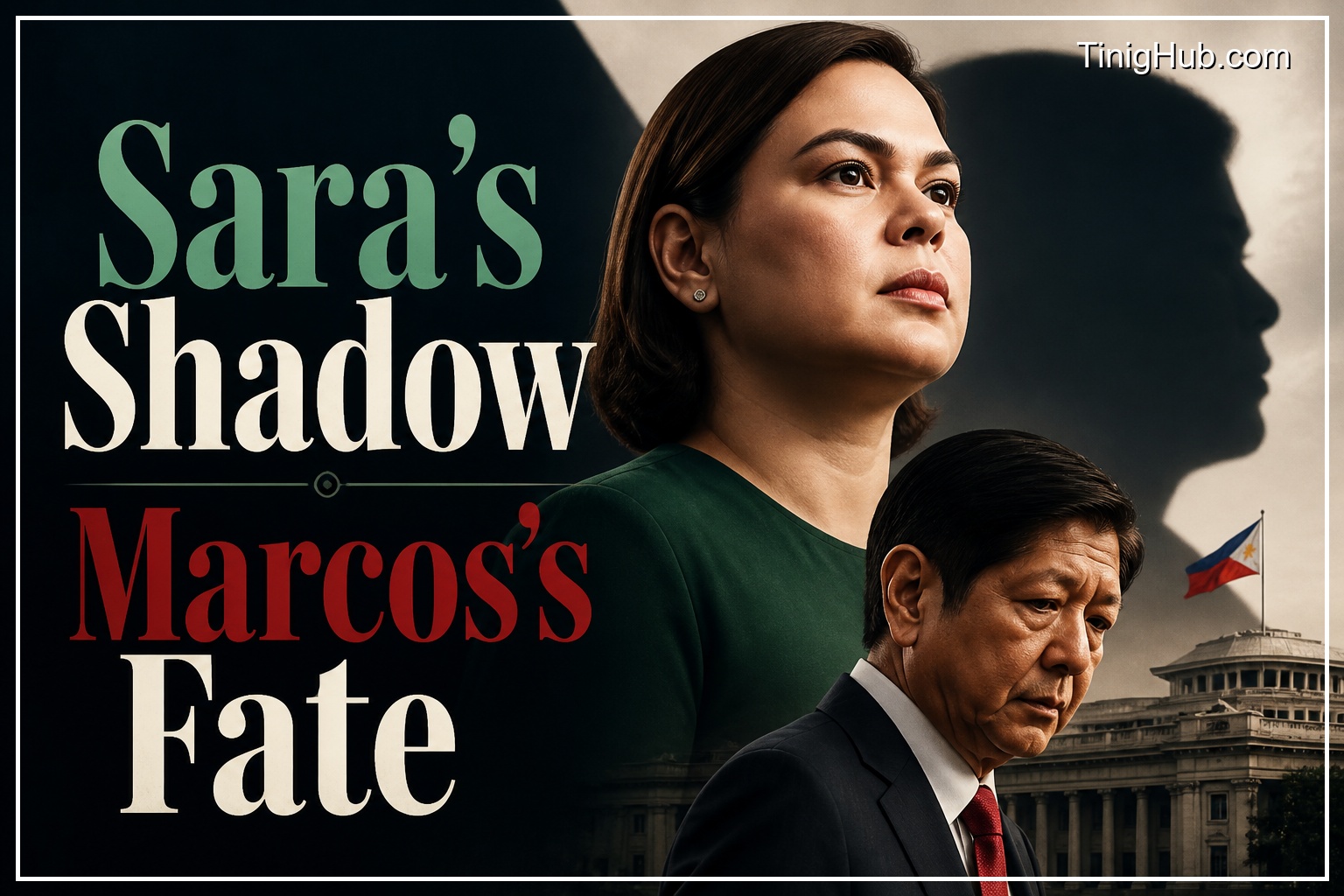
Vice President Sara Duterte would have to succeed President Marcos Jr. this year under one of the above constitutional conditions. A permanent vacancy shall be created by the death or a declaration of permanent disability of the President. The President may also resign voluntarily by filing a written declaration to the Senate President and the Speaker of the House of Representatives. Removal from office through impeachment would be the most politically fraught path – a process started by the House of Representatives and tried by the Senate. In each of these cases constitutional procedures are followed to ensure a legitimate transfer of power.
Legal and Political Situation of the Former President
When any of these constitutional replacements takes over the office, the former President ceases to have any executive powers and becomes a private citizen. The constitutional immunity from suit generally afforded a sitting president would not apply. The loss of immunity means that the former president could face legal proceedings or investigations for actions taken before or during their term if such cases are pursued. Politically, a former president’s influence would be largely a function of the level of public support he or she continued to enjoy, party ties, and the political climate at the time of leaving office.
Effect on Political Landscape and Dynastic Alliances
If, hypothetically, Vice President Sara Duterte were to take over from President Marcos Jr., it would have massive implications on the Philippines’ complicated political landscape. By late 2025, reports of a major rift in the “UniTeam” coalition that paired Marcos Jr. and Duterte in the 2022 elections were visible, showing the coalition falling apart. In June 2024, Sara Duterte resigned from her cabinet post as Secretary of Education, citing policy differences, specifically over the South China Sea. Other tensions have included public exchanges of accusations and even talk of impeachment proceedings against Sara Duterte. In such a scenario, a presidential transition would likely cement the disintegration of this alliance, possibly igniting fierce political battles between the families of Marcos and Duterte in the upcoming polls, particularly in the 2025 legislative and 2028 presidential elections.
Governance and Stability Issues
The transition of presidents, particularly if it stems from political strife or unforeseen events, can disrupt the continuity of leadership and the stability of the country. The Constitution is clear about the line of succession to avoid a power vacuum, but the political environment of a transition is important. The leadership change could bring immediate changes in policy direction, cabinet makeup and national priorities. The new administration would likely try to consolidate power and implement its own agenda, departing from the policies of the preceding administration. This could mark a period of transition for government agencies, international relations and the public, requiring skillful political management to sustain stability and good governance.